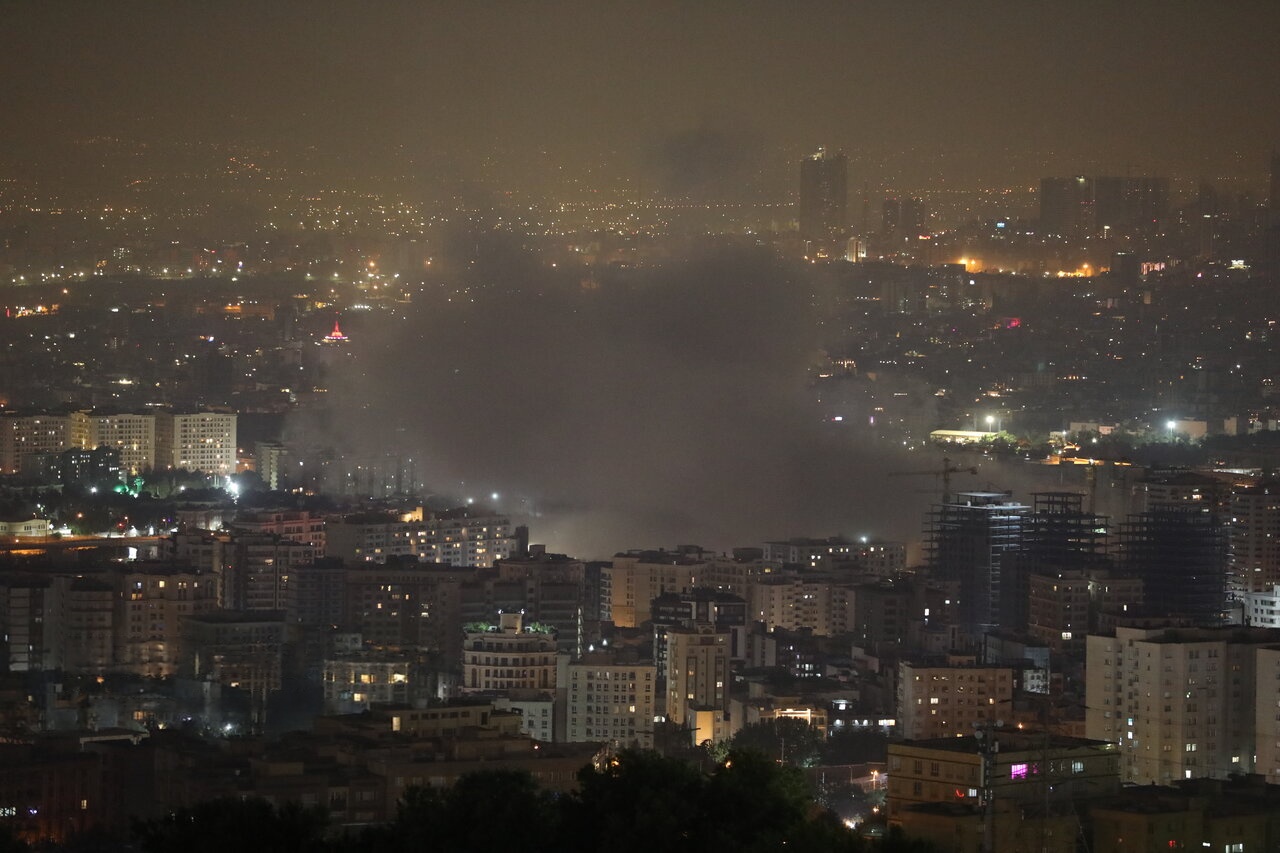
Understanding Your Search: Why "Ataque Israel Irán" Led You Here (and Not to Balloon Catalogs)
When you enter a search query as significant as "ataque israel irán" (Israel Iran attack) into a search engine, your expectation is clear: immediate, relevant information regarding a critical geopolitical event. You anticipate news updates, expert analysis, official statements, and historical context. However, for a user who might have encountered the specific "sources" referenced for this article—a collection of balloon product catalogs and navigation menus—the experience would be, to say the least, bewildering. This article aims to dissect this interesting discrepancy. It's not about the conflict itself, but rather about the surprising journey your search for "ataque israel irán" might take, the nature of information retrieval, and how to effectively find the critical geopolitical insights you truly seek. The core message is simple: the provided balloon-related texts contained absolutely no content about any Israel-Iran attack, underscoring a fundamental mismatch between search intent and source material.The Curious Case of Context Mismatch: When Search Intent Meets Irrelevant Data
Imagine typing "ataque israel irán" into your search bar, bracing for serious news, and instead, being presented with pages detailing "Pre-Inflated Balloons on Sticks" or "Safe Balloon Practices." This scenario, while seemingly absurd, highlights a crucial aspect of how we interact with information online. Our brains naturally connect a search term to a highly specific domain of knowledge. For "ataque israel irán," that domain is international relations, military updates, and current affairs. The referenced texts—from "Balloons.com - Wholesale Balloon Distributor" and similar sites—are unequivocally about the business of balloons. They are product catalogs, navigation menus, and commercial descriptions. There is no hidden metaphor, no coded language, and certainly no geopolitical commentary disguised within their content. The absence of relevant information here isn't a failure of indexing, but rather a clear demonstration that these particular digital artifacts simply do not—and were never intended to—address such a grave global topic. This kind of "context mismatch" can be frustrating for users. It underscores the importance of critical thinking when evaluating search results and understanding the nature of the sources you encounter. It forces us to ask: why did I land here? And more importantly, how do I get to where I need to be? For a deeper dive into this phenomenon, you might find value in exploring Why Your Israel-Iran Attack Search Led to Balloon Catalogs.Decoding the Search for "Ataque Israel Irán": What Information Users Truly Seek
A search query like "ataque israel irán" carries significant weight. It implies a user's urgent need for factual, verified, and timely information about events that could have profound regional and global consequences. When someone types this phrase, they are likely looking for: * Breaking News & Updates: The latest developments, verified reports from reliable news agencies, and official statements from involved parties or international bodies. * Expert Analysis: Interpretations from geopolitical strategists, historians, and regional specialists who can provide context, predict potential outcomes, and explain the intricacies of the situation. * Historical Background: Information on the long-standing tensions, past confrontations, and diplomatic efforts between Israel and Iran to understand the current situation's roots. * International Reactions: How other countries, major powers, and international organizations are responding to or mediating the situation. * Impact Assessments: Analysis of potential economic, social, and humanitarian consequences, both regionally and globally. The gravitas of such a search stands in stark contrast to the lighthearted nature of balloons. While balloons bring joy and celebration, the phrase "ataque israel irán" evokes concern, uncertainty, and a need for serious deliberation. Understanding this contrast is key to appreciating why the absence of relevant content in the referenced sources is so striking.Navigating the Digital Landscape: Finding Reliable Information on Geopolitical Events
In an age of information overload, discerning credible sources from noise is paramount, especially for sensitive topics like "ataque israel irán." Since balloon catalogs are clearly not the place for geopolitical insights, here are practical tips and actionable advice for finding the accurate and valuable information you need:- Prioritize Reputable News Organizations: Stick to well-established news outlets with a proven track record of journalistic integrity and fact-checking. Think major international news agencies known for their impartial reporting.
- Cross-Reference Multiple Sources: Never rely on a single source, no matter how credible it seems. Compare reports from at least three different reputable outlets to get a comprehensive and balanced view. This helps filter out potential biases or incomplete information.
- Look for Expert Analysis, Not Just Headlines: Beyond breaking news, seek out articles and reports that feature analysis from accredited scholars, foreign policy experts, and former diplomats. Their insights can provide much-needed depth and context.
- Be Wary of Social Media as a Primary Source: While social media can offer real-time updates, it's often rife with misinformation, speculation, and unverified claims. Treat it as a tool for discovering potential leads, but always verify information through traditional news channels before accepting it as fact.
- Check for Official Statements: Look for direct communications from government bodies, embassies, or international organizations like the United Nations. These provide primary source information, though they should also be read critically within their political context.
- Understand Media Bias: Every news organization has a perspective. Familiarize yourself with common media biases and try to consume news from a diverse range of viewpoints to form your own informed opinion.
- Beware of Sensationalism and Clickbait: Headlines designed to provoke strong emotional responses or make outlandish claims are often unreliable. Focus on factual reporting rather than dramatic narratives.
The stark difference between your search intent for "ataque israel irán" and the irrelevance of balloon content serves as a powerful reminder of the importance of information literacy. It highlights the vast and often siloed nature of the internet's content. For a broader discussion on similar issues, consider reading Context Mismatch: No Mideast Conflict Info in These Texts.